Introduction
he phrase “fennec fox cubs for sale” often sparks curiosity because fennec foxes are among the most recognizable and fascinating desert animals in the world. With their oversized ears, compact bodies, and expressive faces, these small foxes have captured global attention through documentaries, photos, and social media.
However, behind this popular search term lies a complex reality involving animal welfare, strict laws, conservation concerns, and ethical responsibilities. This article is written for educational purposes only. It does not promote or guide the purchase of animals and is especially important for young readers to understand why exotic wildlife ownership is highly regulated and often discouraged.
Below is a detailed, balanced, and informative guide that explains what fennec foxes are, why people search for this keyword, and the serious considerations involved.
What Is a Fennec Fox?
The fennec fox (Vulpes zerda) is the smallest species of fox in the world. It is native to the Sahara Desert and other arid regions of North Africa. These foxes have evolved to survive extreme desert conditions, including scorching daytime heat and cold nights.
Their most famous feature is their large ears, which help regulate body temperature and enhance hearing to locate prey underground. In the wild, fennec foxes live in burrows, hunt insects and small animals, and play a role in maintaining ecological balance.
Why the Term “Fennec Fox Cubs for Sale” Is So Popular
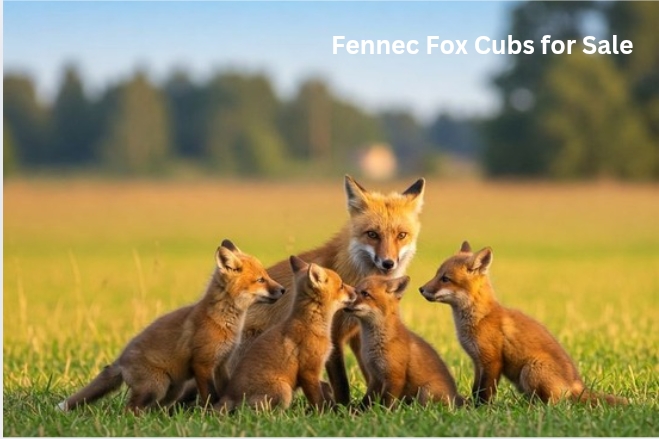
Many people search for fennec fox cubs for sale because of the animal’s unique appearance and perceived rarity. Images online often show young cubs looking calm, playful, and small, which can create the impression that they are easy to care for.
Social media trends, viral videos, and exotic animal content have significantly increased interest in unusual wildlife. Unfortunately, these platforms often show only short, carefully edited moments and do not represent the real needs or challenges of caring for a wild species.
Understanding the Difference Between Wild Animals and Domestic Pets
One of the most important facts to understand is that fennec foxes are wild animals, not domesticated pets like dogs or cats. Domestication takes thousands of years and involves selective breeding for behavior, temperament, and adaptability to human environments.
Even when born in captivity, fennec fox cubs retain wild instincts such as:
- Strong digging behavior
- Nocturnal activity patterns
- Sensitivity to noise and stress
- Natural fear responses
These traits cannot be trained out in the same way as domesticated animals.
Legal Status of Fennec Foxes Around the World
Before anyone even thinks about the topic of fennec fox cubs for sale, it is essential to understand that ownership laws vary widely and are often very strict.
Common Legal Considerations
- In many countries, owning a fennec fox requires special permits
- Some regions ban private ownership entirely
- Wildlife protection laws may apply even to captive-bred animals
- Selling or buying without authorization can lead to severe penalties
These laws exist to protect both animals and people. For minors, it is especially important to know that legal responsibility always falls on adults, and many jurisdictions do not allow young individuals to be involved in ownership at all.
Ethical Concerns Surrounding the Exotic Animal Trade
The ethical debate around exotic animals is one of the strongest reasons experts caution against private ownership.
Welfare of the Animal
Fennec foxes have very specific environmental and behavioral needs that are difficult to meet outside their natural habitat. Improper conditions can lead to:
- Chronic stress
- Behavioral disorders
- Physical health problems
Impact on Wild Populations
Demand created by searches like fennec fox cubs for sale can indirectly encourage illegal wildlife trade. Even when animals are labeled as “captive-bred,” enforcement is difficult, and wild populations may still be affected.
The Specialized Care Fennec Foxes Require
Fennec foxes are not low-maintenance animals. Their care requirements are complex and demanding.
Environmental Needs
- Large, secure enclosures
- Space to dig and explore
- Temperature regulation suitable for desert species
Behavioral Needs
- Nighttime activity management
- Mental stimulation
- Minimal exposure to loud or chaotic environments
Meeting these needs consistently requires advanced knowledge, resources, and professional veterinary support.
Why Fennec Fox Cubs Are Especially Vulnerable
Young animals are far more sensitive than adults. Fennec fox cubs need:
- Proper social development
- Stable environmental conditions
- Specialized nutrition
Early separation, frequent handling, or unsuitable environments can have long-term negative effects on their health and behavior. This is one reason many animal welfare experts strongly oppose the private sale of cubs.
Veterinary Challenges With Exotic Species
Not all veterinarians are trained to treat exotic wildlife. Fennec foxes require:
- Exotic-animal specialists
- Access to specific medications
- Knowledge of species-specific diseases
In many areas, such veterinary care is rare or unavailable, increasing risks for the animal’s well-being.
Conservation Status and Global Responsibility
While fennec foxes are not currently classified as critically endangered, they are protected in many regions due to habitat loss and human activity. Responsible conservation focuses on:
- Protecting natural habitats
- Supporting wildlife research
- Educating the public
Reducing demand associated with fennec fox cubs for sale searches is part of protecting species in the long term.
Safer and Responsible Alternatives to Ownership
For people fascinated by fennec foxes, there are many responsible ways to appreciate them without ownership.
Ethical Alternatives
- Learning through documentaries and books
- Visiting accredited wildlife sanctuaries
- Supporting conservation organizations
- Studying animal biology or zoology
These options allow people to admire wildlife while respecting animal welfare and legal boundaries.
The Role of Education for Young Animal Lovers
For teenagers and young animal enthusiasts, curiosity about rare species is natural and healthy. Education plays a key role in turning that curiosity into responsible understanding.
Learning about:
- Animal behavior
- Conservation science
- Environmental ethics
helps build respect for wildlife and encourages careers that protect animals rather than exploit them.
Why Responsible Information Matters Online
Articles that use keywords like fennec fox cubs for sale should prioritize truthful, ethical information. Misleading content can:
- Encourage unsafe decisions
- Harm animals
- Spread illegal practices
Responsible writing focuses on awareness, not promotion.
Final Thoughts on Fennec Fox Cubs for Sale
The idea behind the search term fennec fox cubs for sale often begins with admiration, but admiration must be balanced with responsibility. Fennec foxes are remarkable desert animals that deserve protection, respect, and proper care in environments suited to their natural needs.
Understanding the legal, ethical, and welfare implications helps people—especially young readers—make informed and compassionate choices. Wildlife appreciation does not require ownership. In many cases, the most caring decision is to admire these animals from a distance and support efforts that keep them safe in the wild.
By choosing education over impulse, we contribute to a future where both humans and animals thrive responsibly.