Introduction
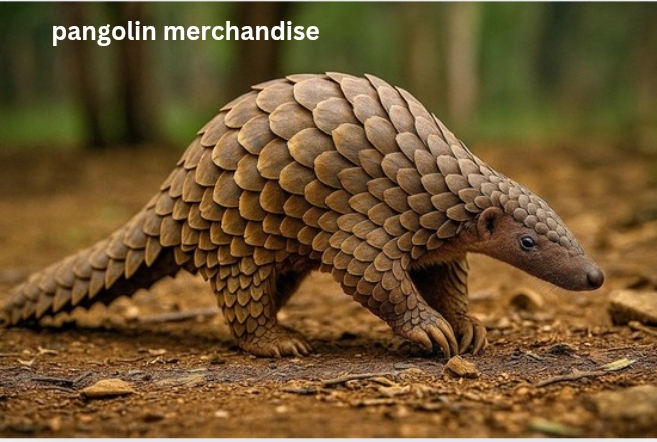
Pangolins are among the most mysterious and misunderstood animals on Earth. Covered in protective scales and known for their gentle, shy nature, these creatures play a vital role in maintaining healthy ecosystems. Sadly, pangolins also hold the tragic title of being the most trafficked mammal in the world. In response to this crisis, a growing movement has emerged around pangolin merchandise—products designed not just to raise awareness, but to actively support conservation efforts.
This 100% unique and in-depth article explores the concept of pangolin merchandise, its purpose, types, ethical considerations, and how conscious consumer choices can directly contribute to protecting pangolins from extinction.
What Is Pangolin Merchandise?
Pangolin merchandise refers to ethically produced products inspired by pangolins, created to promote awareness and fund conservation initiatives. These items do not contain any part of a pangolin. Instead, they use pangolin imagery, messages, and symbolism to educate people and support wildlife protection.
Responsible pangolin merchandise is often sold by conservation organizations, ethical brands, artists, and non-profits that donate a portion—or sometimes all—of their profits to pangolin conservation programs.
Why Pangolins Need Global Attention
The Plight of Pangolins
There are eight species of pangolins found across Asia and Africa, and all of them are threatened. Pangolins are illegally hunted for their scales and meat, despite there being no scientific evidence that pangolin scales have medicinal value.
Impact of Illegal Wildlife Trade
Millions of pangolins have been taken from the wild over the past few decades. This has caused dramatic population declines, pushing several species toward extinction.
Role of Awareness-Based Solutions
While law enforcement and policy changes are essential, awareness plays a critical role. Pangolin merchandise helps bring this lesser-known animal into public consciousness, especially among people who may never encounter wildlife conservation issues otherwise.
The Purpose Behind Pangolin Merchandise
Pangolin merchandise is not about commercializing wildlife—it is about creating a bridge between consumers and conservation.
Education Through Design
A t-shirt, poster, or notebook featuring a pangolin can spark curiosity and conversation. Many people first learn about pangolins through such products.
Funding Conservation Efforts
Revenue from ethical pangolin merchandise often supports:
- Anti-poaching patrols
- Wildlife rescue and rehabilitation
- Habitat protection
- Community education programs
Building Emotional Connections
When people own or gift pangolin-themed items, they develop a sense of personal connection to the species, which can lead to long-term support for conservation.
Types of Pangolin Merchandise Available
Pangolin merchandise comes in many forms, catering to different interests and age groups.
Pangolin Apparel and Clothing
Clothing is one of the most popular forms of pangolin merchandise. These items often feature artistic illustrations or powerful conservation messages.
Common examples include:
- Pangolin-themed t-shirts
- Hoodies with conservation slogans
- Caps and scarves with pangolin symbols
Ethical brands often use organic or recycled fabrics to align with environmental values.
Pangolin Accessories and Lifestyle Products
Everyday items can carry a conservation message without being overly bold.
Popular accessories include:
- Tote bags with pangolin artwork
- Reusable water bottles
- Phone cases
- Jewelry inspired by pangolin scale patterns
These items integrate awareness into daily life.
Pangolin Art, Prints, and Stationery
Artists and illustrators play a huge role in pangolin awareness.
Examples include:
- Art prints and posters
- Stickers and postcards
- Notebooks and journals
Many independent artists donate part of their earnings to wildlife charities.
Educational Pangolin Merchandise for Children
Teaching children about conservation early can have a lasting impact.
Child-friendly pangolin merchandise includes:
- Plush toys
- Illustrated books
- Educational games
- School supplies with fun pangolin designs
These products help children associate wildlife protection with positive values.
Ethical Considerations in Pangolin Merchandise
Not all products labeled as “pangolin merchandise” are ethical. Consumers should be mindful when making purchases.
No Real Pangolin Materials
Authentic conservation merchandise never uses pangolin scales, skin, or any animal parts. Any product claiming to contain real pangolin materials is illegal and harmful.
Transparent Donation Claims
Ethical sellers clearly state:
- Which organization receives donations
- What percentage of profits are donated
- How funds are used
Transparency builds trust and ensures real impact.
Sustainable Production Practices
Many responsible brands:
- Use eco-friendly materials
- Avoid excessive plastic packaging
- Ensure fair labor practices
This aligns conservation with broader environmental responsibility.
How Pangolin Merchandise Supports Conservation Directly
Purchasing ethical pangolin merchandise can lead to tangible conservation outcomes.
Supporting Anti-Poaching Initiatives
Funds help equip rangers and support patrols in areas where pangolins are at risk.
Financing Rescue and Rehabilitation
Confiscated pangolins often need medical care before being released back into the wild.
Community-Based Conservation
Some programs use funds to support local communities, reducing reliance on wildlife trafficking for income.
Pangolin Merchandise as a Tool Against Wildlife Trafficking
Raising awareness is one of the strongest weapons against illegal wildlife trade.
Changing Consumer Behavior
When people understand the suffering behind illegal wildlife products, demand decreases.
Social Media Amplification
Wearing or sharing pangolin merchandise online spreads awareness far beyond the initial purchase.
Normalizing Conservation Conversations
Merchandise makes it easier to talk about difficult topics like extinction and wildlife crime.
Who Creates Pangolin Merchandise?
A diverse group of creators contribute to the pangolin merchandise movement.
Conservation Organizations
Many non-profits sell merchandise to fund their programs and engage supporters.
Ethical Brands
Eco-conscious brands collaborate with conservation groups to create limited-edition pangolin collections.
Independent Artists
Artists often use their creativity to bring emotional depth to conservation messages.
How to Choose the Right Pangolin Merchandise
Making informed choices ensures your purchase truly helps pangolins.
Research the Seller
Check their mission, partnerships, and donation policies.
Look for Conservation Partnerships
Products linked to recognized conservation organizations are generally more reliable.
Avoid Suspicious Claims
Be cautious of vague promises like “helps wildlife” without details.
Pangolin Merchandise as Meaningful Gifts
Pangolin merchandise makes thoughtful, impactful gifts for many occasions.
Gifts With Purpose
Unlike generic items, these products tell a story and support a cause.
Ideal for Nature Lovers
They are perfect for people passionate about animals, the environment, or ethical living.
Educational Gifts
For children and students, pangolin-themed gifts can inspire curiosity and compassion.
Challenges in the Pangolin Merchandise Space
Despite its benefits, the movement faces challenges.
Risk of Greenwashing
Some sellers may exploit conservation themes without real contributions.
Limited Awareness
Pangolins are still relatively unknown compared to animals like elephants or tigers.
Balancing Commerce and Ethics
Maintaining authenticity while selling products requires careful responsibility.
The Future of Pangolin Merchandise
As awareness grows, pangolin merchandise is likely to evolve and expand.
Increased Collaboration
More partnerships between artists, brands, and conservation groups are emerging.
Digital and Educational Products
Online content, digital art, and virtual learning tools are becoming part of the merchandise ecosystem.
Stronger Consumer Demand for Ethics
Modern consumers increasingly value transparency and impact, encouraging higher standards.
How Individuals Can Support Pangolins Beyond Merchandise
While pangolin merchandise is helpful, it is most powerful when combined with other actions.
- Share educational content
- Support wildlife protection laws
- Avoid illegal wildlife products
- Donate directly to conservation organizations
Merchandise is a gateway, not the only solution.
Conclusion: Why Pangolin Merchandise Truly Matters
Pangolin merchandise represents more than clothing or accessories—it represents hope, awareness, and action. In a world where pangolins are hunted in silence, these products give them visibility and a voice.
When created and purchased responsibly, pangolin merchandise helps fund conservation, educate the public, and challenge the illegal wildlife trade. It transforms everyday consumer behavior into a force for good.
By choosing ethical pangolin merchandise, individuals become part of a global movement dedicated to protecting one of the planet’s most endangered and extraordinary animals. In doing so, they help ensure that pangolins are known not for trafficking and extinction—but for survival, protection, and respect.