Introduction
ild catch fisheries have fed humanity for thousands of years and continue to play a vital role in global nutrition, culture, and economies. From small coastal communities to large commercial fleets operating in the open ocean, wild catch fisheries supply a significant portion of the world’s seafood. As concerns grow about sustainability, climate change, and food security, understanding how wild catch fisheries operate—and how they can be responsibly managed—has never been more important.
This comprehensive article explores the meaning, importance, methods, challenges, and future of wild catch fisheries, highlighting why they remain essential to both people and the planet.
What Are Wild Catch Fisheries?
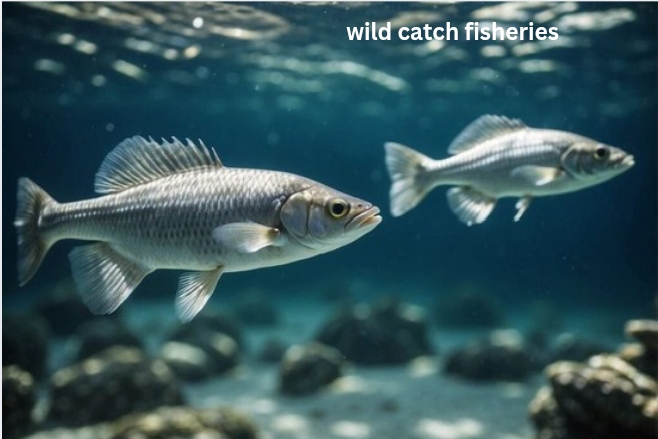
Wild catch fisheries refer to the harvesting of fish and other aquatic organisms directly from natural water bodies such as oceans, seas, rivers, lakes, and wetlands. Unlike aquaculture, which involves farming fish in controlled environments, wild catch fisheries depend on naturally occurring fish populations.
These fisheries target a wide variety of species, including fish, crustaceans, mollusks, and other marine life. Wild catch fisheries can be small-scale and traditional or large-scale and industrial, but all rely on healthy ecosystems to remain productive.
The Historical Importance of Wild Catch Fisheries
Wild catch fisheries are among the oldest forms of food production. Archaeological evidence shows that early human societies relied heavily on fishing for survival, particularly in coastal and riverine areas.
Over time, fishing techniques evolved from simple nets and hooks to sophisticated vessels and gear. Fishing shaped trade routes, settlement patterns, and cultural traditions across civilizations. Even today, many coastal communities maintain strong cultural identities tied to wild catch fisheries.
Types of Wild Catch Fisheries
Wild catch fisheries vary widely depending on location, target species, and fishing methods. Understanding these types helps explain the diversity of the global fishing industry.
Small-Scale and Artisanal Fisheries
Small-scale fisheries are typically operated by individuals or families using traditional methods and small boats. These fisheries often supply local markets and play a crucial role in food security and employment in developing regions.
Artisanal fisheries usually have a lower environmental impact and are deeply connected to local traditions and knowledge.
Commercial and Industrial Fisheries
Commercial wild catch fisheries operate on a much larger scale. Industrial fishing vessels may spend weeks or months at sea, using advanced technology to locate and harvest fish.
These fisheries supply international markets and account for a significant share of global seafood production. While highly efficient, they also pose greater risks to marine ecosystems if not properly managed.
Common Fishing Methods Used in Wild Catch Fisheries
Different fishing methods are used depending on the species being targeted and the environment.
Trawl Fishing
Trawling involves dragging large nets through the water or along the seabed. While effective for catching large quantities of fish, bottom trawling can damage marine habitats if not carefully regulated.
Longline Fishing
Longline fishing uses long lines with hundreds or thousands of baited hooks. It is commonly used to catch tuna and swordfish but can accidentally capture non-target species.
Gillnet Fishing
Gillnets are vertical nets that trap fish by their gills. They are widely used but can pose risks to marine mammals and seabirds if not monitored.
Pole-and-Line Fishing
This method involves catching fish one at a time using poles and bait. It is labor-intensive but highly selective, making it one of the most sustainable wild catch fishing methods.
Economic Value of Wild Catch Fisheries
Wild catch fisheries contribute significantly to the global economy. Millions of people depend on fishing for their livelihoods, including fishers, processors, traders, and transport workers.
In many developing countries, wild catch fisheries are a major source of income and foreign exchange. In developed nations, they support coastal economies and food industries. The global seafood trade relies heavily on wild-caught fish, making fisheries an essential economic pillar.
Wild Catch Fisheries and Global Food Security
Seafood from wild catch fisheries is a vital source of protein and essential nutrients for billions of people worldwide. Fish provide high-quality protein, omega-3 fatty acids, vitamins, and minerals that are critical for human health.
In regions with limited access to other animal proteins, wild catch fisheries are especially important. They help combat malnutrition and support balanced diets, particularly in coastal and island communities.
Environmental Role of Wild Catch Fisheries
Healthy wild catch fisheries depend on balanced marine ecosystems. Fish populations play key roles in food webs, nutrient cycling, and habitat maintenance.
When managed sustainably, fisheries can coexist with healthy ecosystems. However, overfishing and destructive practices can disrupt marine balance, leading to long-term ecological damage. Responsible fisheries management is essential to protect biodiversity and ecosystem resilience.
Challenges Facing Wild Catch Fisheries
Despite their importance, wild catch fisheries face numerous challenges that threaten their sustainability.
Overfishing
Overfishing occurs when fish are harvested faster than they can reproduce. This leads to population declines and, in severe cases, fishery collapse. Overfishing remains one of the most significant threats to wild catch fisheries worldwide.
Bycatch
Bycatch refers to the unintentional capture of non-target species such as dolphins, turtles, and seabirds. Reducing bycatch is a major focus of modern fisheries management.
Habitat Destruction
Certain fishing methods can damage sensitive habitats like coral reefs and seagrass beds. Habitat loss reduces fish populations and weakens ecosystem health.
Illegal, Unreported, and Unregulated Fishing
Illegal fishing undermines conservation efforts and deprives communities of income. It also makes it difficult to accurately assess fish stocks and enforce regulations.
Impact of Climate Change on Wild Catch Fisheries
Climate change is increasingly affecting wild catch fisheries. Rising ocean temperatures, changing currents, and ocean acidification alter fish distribution and breeding patterns.
Some species are migrating to cooler waters, disrupting traditional fishing grounds and affecting coastal communities. Extreme weather events also pose safety risks for fishers and damage fishing infrastructure.
Adapting fisheries management to climate change is a growing global priority.
Sustainable Management of Wild Catch Fisheries
Sustainability is key to the future of wild catch fisheries. Effective management ensures that fish populations remain healthy while supporting livelihoods.
Science-Based Catch Limits
Setting catch limits based on scientific assessments helps prevent overfishing and allows fish stocks to recover.
Marine Protected Areas
Protected areas restrict or prohibit fishing in certain zones, allowing ecosystems to regenerate and supporting long-term fish abundance.
Selective Fishing Gear
Using gear designed to reduce bycatch and habitat damage improves sustainability and minimizes environmental impact.
Community-Based Management
Involving local fishing communities in decision-making promotes compliance and incorporates traditional knowledge into management strategies.
Wild Catch Fisheries vs Aquaculture
Wild catch fisheries are often compared with aquaculture, or fish farming. Both systems play important roles in seafood supply.
Wild catch fisheries rely on natural ecosystems, while aquaculture offers controlled production and growing output. However, aquaculture also depends on wild fisheries for feed and can have environmental impacts if poorly managed.
A balanced approach that supports sustainable wild catch fisheries alongside responsible aquaculture is essential for meeting future seafood demand.
Certification and Consumer Awareness
Eco-certification programs help consumers make informed choices about seafood. Labels that indicate sustainably managed wild catch fisheries encourage responsible fishing practices and reward fishers who protect marine resources.
Consumer awareness plays a powerful role in shaping the future of fisheries. Choosing sustainably sourced seafood helps drive positive change throughout the supply chain.
Technological Innovations in Wild Catch Fisheries
Technology is transforming wild catch fisheries in many ways. Satellite tracking, electronic monitoring, and data analytics improve stock assessments and enforcement.
Modern navigation and safety equipment also enhance fisher safety. When used responsibly, technology can support sustainability while improving efficiency and transparency.
The Cultural Significance of Wild Catch Fisheries
Beyond economics and nutrition, wild catch fisheries hold deep cultural value. Fishing traditions, festivals, and cuisines reflect a strong connection between communities and the sea.
Preserving wild catch fisheries means protecting cultural heritage and traditional knowledge passed down through generations.
The Future of Wild Catch Fisheries
The future of wild catch fisheries depends on global cooperation, strong governance, and public awareness. With proper management, fish populations can recover, and fisheries can remain productive for generations.
Sustainability is not just an environmental goal—it is a social and economic necessity. Supporting ethical fishing practices ensures that oceans continue to provide food, jobs, and ecological balance.
Conclusion: Why Wild Catch Fisheries Matter
Wild catch fisheries are a cornerstone of global food systems, livelihoods, and marine ecosystems. They connect humanity to the oceans and remind us of our responsibility to protect natural resources.
By promoting sustainable practices, reducing environmental impact, and supporting fishing communities, wild catch fisheries can continue to thrive in a changing world. Their survival is essential not only for today’s needs but also for the well-being of future generations.