Introduction
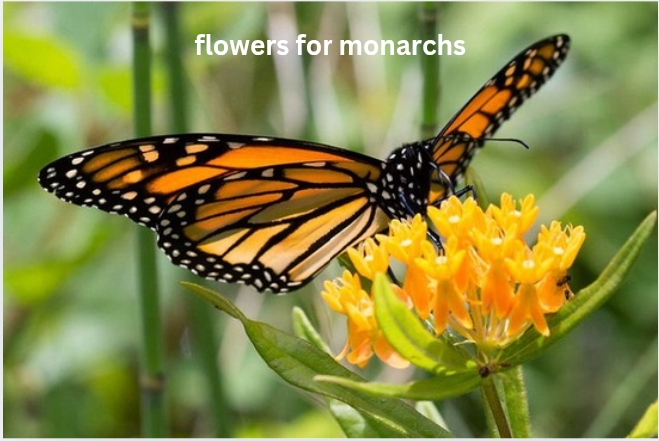
Flowers for monarchs Monarch butterflies are among the most recognizable and beloved pollinators in the world. With their bright orange wings and incredible long-distance migration, they symbolize nature’s beauty and resilience. However, monarch populations have been declining due to habitat loss, pesticide use, and climate change. One of the simplest and most effective ways to support their survival is by planting the right
In this detailed guide, you will learn why flowers matter to monarchs, which plants are best for every life stage, and how you can design a garden that truly supports these iconic butterflies.
Why Flowers for Monarchs Are So Important
Flowers play a critical role in the monarch butterfly’s life cycle. Adult monarchs rely on nectar-rich blooms as their primary energy source, especially during migration when they may travel thousands of miles. Without enough nectar plants, monarchs struggle to survive and reproduce.
In addition to nectar flowers, monarchs also depend on specific host plants for laying eggs. When gardeners plant monarch-friendly flowers, they help rebuild the natural habitats that have disappeared due to urban development and industrial farming.
Planting flowers for monarchs is not just about beautifying your garden—it’s an act of conservation.
Understanding the Monarch Life Cycle
To choose the best flowers for monarchs, it’s helpful to understand their life cycle:
- Egg – Monarchs lay eggs exclusively on milkweed plants.
- Caterpillar (Larva) – Caterpillars feed only on milkweed leaves.
- Chrysalis (Pupa) – The transformation stage.
- Adult Butterfly – Adults feed on nectar from a wide variety of flowers.
A truly monarch-friendly garden supports all these stages, especially the adult stage, which depends heavily on flowers.
Milkweed: The Most Essential Plant for Monarchs
No discussion about flowers for monarchs is complete without milkweed. Milkweed is the only plant monarch caterpillars can eat, making it essential for reproduction.
Best Types of Milkweed to Plant
- Common Milkweed (Asclepias syriaca) – Hardy and highly attractive to monarchs
- Swamp Milkweed (Asclepias incarnata) – Ideal for wetter soils
- Butterfly Weed (Asclepias tuberosa) – Bright orange flowers and drought tolerant
- Showy Milkweed (Asclepias speciosa) – Excellent for western regions
Milkweed also produces nectar-rich flowers that adult monarchs love, making it a dual-purpose plant.
Top Nectar Flowers for Monarch Butterflies
While milkweed is essential, monarchs need a variety of nectar flowers throughout the growing season. Diversity ensures a steady food supply from spring to fall.
1. Coneflowers (Echinacea)
Coneflowers are hardy, long-blooming, and rich in nectar. Their open shape makes it easy for monarchs to feed.
2. Black-Eyed Susan
These bright yellow flowers bloom for months and are a favorite nectar source for monarchs and other pollinators.
3. Zinnias
Zinnias are easy to grow and bloom continuously. Monarchs are especially attracted to red, orange, and pink varieties.
4. Lantana
Lantana produces clusters of tiny flowers packed with nectar, making it a top choice for monarchs in warm climates.
5. Goldenrod
Often misunderstood, goldenrod is not responsible for allergies and is one of the most important fall nectar sources for migrating monarchs.
Native Flowers: The Best Choice for Monarchs
Native plants are always the best option when selecting flowers for monarchs. These plants evolved alongside local pollinators and provide the most accessible nectar.
Benefits of native flowers include:
- Higher nectar quality
- Better resistance to local pests
- Lower water and maintenance needs
Examples of excellent native flowers include blazing star, bee balm, ironweed, and aster species.
Seasonal Flower Planning for Monarch Support
Monarchs need food throughout the year, especially during migration. A well-planned garden includes flowers that bloom in different seasons.
Spring Flowers
- Phlox
- Wild lupine
- Early milkweed varieties
Summer Flowers
- Coneflowers
- Bee balm
- Zinnias
Fall Flowers
- Goldenrod
- Asters
- Joe-Pye weed
This continuous bloom cycle ensures monarchs never run out of nectar.
How to Design a Monarch-Friendly Flower Garden
Creating a successful monarch garden involves more than planting random flowers.
Plant in Clusters
Monarchs are more attracted to groups of the same flower rather than single plants scattered around.
Choose Sunny Locations
Most nectar flowers thrive in full sun, and monarchs prefer warm, sunny feeding spots.
Avoid Pesticides
Even organic pesticides can harm monarchs. A healthy garden ecosystem naturally controls pests.
Provide Shelter
Shrubs, tall grasses, and trees offer protection from wind and predators.
Container Gardening with Flowers for Monarchs
If you don’t have a yard, you can still support monarchs with container gardening. Many nectar flowers like zinnias, lantana, and dwarf milkweed varieties grow well in pots.
Use large containers with good drainage and place them in sunny locations such as balconies or patios. Even small spaces can become important rest stops for migrating monarchs.
Common Mistakes to Avoid
When planting flowers for monarchs, avoid these common errors:
- Planting only exotic or decorative flowers with little nectar
- Using treated or pesticide-coated plants
- Forgetting to include milkweed
- Removing caterpillars due to leaf damage
Remember, a few chewed leaves are a sign of success, not failure.
The Bigger Impact of Planting Flowers for Monarchs
Every garden, no matter how small, contributes to monarch conservation. When communities collectively plant monarch-friendly flowers, they create vital “pollinator corridors” that help butterflies migrate safely.
Schools, parks, and home gardens all play a role in restoring lost habitats. By choosing the right flowers, you become part of a global effort to protect an iconic species.
Conclusion: Grow Flowers, Save Monarchs
Planting flowers for monarchs is one of the most rewarding ways to connect with nature while making a real environmental impact. By selecting nectar-rich blooms, prioritizing native plants, and avoiding chemicals, you create a safe haven for monarch butterflies at every stage of their life cycle.
Whether you have a large garden or a few pots on a balcony, your efforts matter. With the right flowers and a little care, you can help ensure that future generations continue to enjoy the breathtaking sight of monarchs fluttering across the landscape.