Introduction
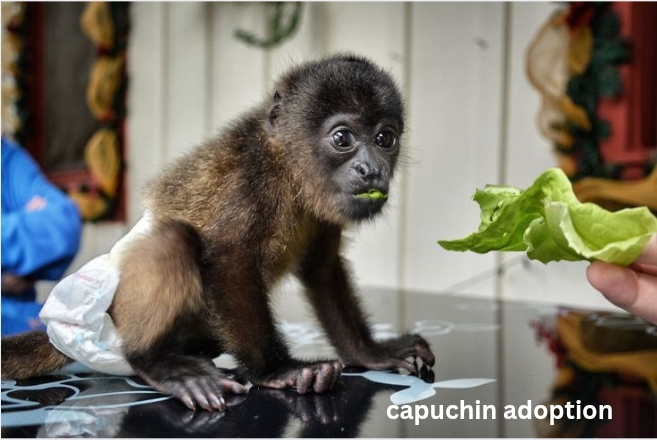
capuchin adoption monkeys are among the most intelligent and fascinating primates in the animal kingdom. Known for their expressive faces, problem-solving abilities, and complex social behavior, these small monkeys have captured human curiosity for centuries. However, behind their popularity lies a growing conservation concern. Habitat destruction, illegal pet trade, and human-wildlife conflict threaten many capuchin populations across Central and South America.
Capuchin adoption programs have emerged as a meaningful way for individuals to support the protection of these remarkable animals. This article offers a 100% unique, in-depth exploration of capuchin adoption—what it means, how it works, why it matters, and how it contributes to long-term conservation.
What Is Capuchin Adoption?
Capuchin adoption is a symbolic wildlife adoption program that allows individuals to support capuchin monkey conservation financially. When you adopt a capuchin, you are not taking the animal home or owning it. Instead, your contribution helps fund conservation initiatives that protect capuchins in the wild or care for rescued individuals in sanctuaries.
Symbolic adoption programs are typically run by conservation organizations, wildlife sanctuaries, or non-profits dedicated to primate welfare. These programs connect people emotionally to conservation while providing vital resources for animal protection.
Understanding Capuchin Monkeys
Who Are Capuchin Monkeys?
Capuchins are small to medium-sized monkeys belonging to the genus Cebus and Sapajus. They are native to tropical forests, dry woodlands, and savannas across Central and South America.
Why Capuchins Are So Intelligent
Capuchin monkeys are often compared to chimpanzees in terms of intelligence. They are known for:
- Using tools to access food
- Solving complex puzzles
- Learning from one another
- Displaying strong social bonds
Their intelligence makes them adaptable—but also vulnerable to exploitation.
Why Capuchin Adoption Is Necessary
Habitat Loss and Deforestation
One of the biggest threats to capuchins is habitat destruction. Forests are cleared for agriculture, logging, and urban development, leaving capuchins with fewer resources and fragmented living spaces.
Illegal Pet Trade
Capuchins are often captured as infants and sold as exotic pets. This practice is harmful and illegal in many regions. Adult monkeys are frequently killed during capture, and pet capuchins often suffer from neglect and psychological stress.
Human-Wildlife Conflict
As forests shrink, capuchins are forced closer to human settlements. This can lead to conflict, where monkeys are harmed for raiding crops or entering homes.
Low Awareness
Despite their intelligence, capuchins do not always receive the same conservation attention as larger primates. Adoption programs help raise awareness and funding.
How Capuchin Adoption Programs Work
Capuchin adoption programs are designed to be simple yet impactful.
Choosing a Capuchin to Adopt
Many organizations allow adopters to symbolically adopt:
- A specific rescued capuchin
- A group or troop
- A representative capuchin species
Making a Contribution
Adoptions typically involve a one-time or recurring donation. Funds are used for:
- Food and veterinary care
- Habitat protection
- Rescue operations
- Education and outreach
Receiving Adoption Materials
Most capuchin adoption programs provide adopters with:
- A personalized adoption certificate
- Photos or profiles of the adopted capuchin
- Educational materials about the species
- Updates on conservation efforts
Types of Capuchin Adoption Programs
Sanctuary-Based Capuchin Adoption
Some programs focus on capuchins rescued from the pet trade or illegal captivity. Adoption funds support lifelong care, enrichment, and rehabilitation.
Wild Capuchin Conservation Adoption
Other programs focus on protecting capuchins in their natural habitats by preserving forests and reducing human-wildlife conflict.
Species-Level Adoption
Instead of adopting an individual, some programs allow supporters to adopt the species as a whole, contributing to research and ecosystem protection.
What Your Capuchin Adoption Supports
Capuchin adoption has real-world impact beyond symbolic gestures.
Daily Care and Nutrition
Capuchins require a balanced diet that includes fruits, vegetables, insects, and enrichment foods. Adoption funds help provide proper nutrition.
Veterinary Treatment and Rehabilitation
Rescued capuchins often arrive with injuries, malnutrition, or trauma. Veterinary care is essential for recovery.
Behavioral Enrichment
Because capuchins are highly intelligent, enrichment activities are critical. Funds support toys, puzzles, and social opportunities that keep monkeys mentally stimulated.
Habitat Protection
For wild capuchins, adoption contributions help preserve forests and maintain ecological balance.
Ethical Capuchin Adoption: What to Look For
Not all adoption programs are created equal. Ethical considerations are essential.
No Physical Ownership
True capuchin adoption is always symbolic. Any offer of physical ownership or close interaction should be avoided.
Animal Welfare First
Ethical programs prioritize the animal’s well-being over human entertainment.
Transparency
Reputable organizations clearly explain how adoption funds are used and provide regular updates.
Education and Conservation Focus
Programs should emphasize conservation, not commercialization.
Capuchin Adoption vs Keeping Capuchins as Pets
Why Capuchins Do Not Belong as Pets
Capuchins may look cute, but they are wild animals with complex needs. As pets, they often develop behavioral problems and suffer from stress.
Adoption as a Responsible Alternative
allows people to appreciate and support these animals without harming them.
Capuchin Adoption as a Meaningful Gift
makes a thoughtful and ethical gift for many occasions.
Ideal for Animal Lovers
It’s perfect for people who love wildlife and want to make a difference.
Educational for Children
Symbolic adoption helps teach children about compassion, conservation, and responsibility.
Eco-Friendly and Purpose-Driven
Unlike material gifts, adoption supports long-term environmental goals.
The Role of Capuchin Adoption in Conservation Awareness
Building Emotional Connections
When people adopt a capuchin, they often feel personally invested in its survival.
Encouraging Long-Term Support
Adopters are more likely to donate again, volunteer, or spread awareness.
Creating Conservation Ambassadors
Supporters often share their adoption story, inspiring others to care.
Challenges Facing Capuchin Adoption Programs
Limited Funding
Conservation work is expensive, and adoption programs rely heavily on public support.
Ongoing Threats to Habitats
Even with adoption funding, deforestation and climate change continue to threaten capuchins.
Misinformation
Some people misunderstand adoption, thinking it involves owning an animal. Education remains essential.
The Future of Capuchin Adoption
Growing Interest in Ethical Conservation
As awareness grows, more people are choosing symbolic adoption over harmful interactions with wildlife.
Stronger Community Involvement
Local communities increasingly included in conservation efforts supported by adoption programs.
Integration With Global Conservation Goals
aligns with broader efforts to protect biodiversity and combat climate change.
How Individuals Can Support Capuchins Beyond Adoption
While impactful, it is most effective when combined with other actions:
- Avoid supporting the exotic pet trade
- Support sustainable products
- Share educational content
- Advocate for wildlife protection laws
Every small effort contributes to larger change.
Conclusion: Why Capuchin Adoption Truly Matters
more than a symbolic gesture—it is a powerful act of compassion and responsibility. These intelligent, social monkeys face growing threats that cannot be solved without public involvement. Adoption programs provide vital funding for rescue, care, habitat protection, and education.
By choosing individuals become part of a global movement that values wildlife not as possessions, but as living beings deserving respect and protection. Through awareness, ethical support, and long-term commitment, capuchin adoption helps ensure that these remarkable primates continue to thrive in the wild for generations to come.