Introduction
Listao tuna is one of the most widely consumed and economically significant fish species in the global seafood industry. Known scientifically as Katsuwonus pelamis and commonly called skipjack tuna, listao tuna plays a vital role in international fisheries, food security, and marine ecosystems. From canned tuna products to sustainable fishing debates, this species has a major impact on how the world eats and manages ocean resources.
In this detailed article, we will explore what is, its biological characteristics, habitat, nutritional value, fishing methods, sustainability concerns, and its importance in global markets.
What Is Listao Tuna?
Listao tuna is the Spanish and Portuguese name for skipjack tuna. It belongs to the mackerel family (Scombridae) and is the most commonly caught tuna species worldwide by volume. Unlike larger tuna species such as bluefin or yellowfin, smaller in size but far more abundant.
This species is especially popular in canned tuna products due to its strong flavor, firm texture, and affordability. Because of its fast growth rate and high reproduction levels, listao tuna is considered more resilient to fishing pressure than many other tuna species.
Physical Characteristics of Listao Tuna
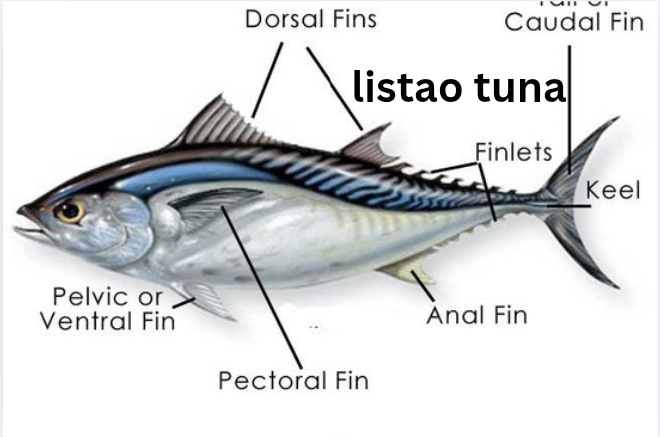
has a streamlined, torpedo-shaped body designed for speed and endurance. These physical traits make it an efficient predator in open ocean environments.
Key characteristics include:
- A dark blue to purple back with silver sides
- Four to six distinctive dark stripes along the belly
- A forked tail and powerful muscles
- Average weight between 3 to 10 kilograms
- Length typically ranging from 40 to 80 centimeters
Unlike some tuna species, listao tuna does not have a swim bladder, which means it must keep swimming to maintain buoyancy. This constant movement also contributes to its firm muscle structure.
Habitat and Global Distribution
Listao tuna is found in tropical and subtropical oceans around the world. It thrives in warm waters and is rarely seen in cold regions.
Major Regions Where Listao Tuna Is Found
- Pacific Ocean (largest population)
- Indian Ocean
- Atlantic Ocean
- Coastal and offshore waters near equatorial regions
This species prefers surface waters and is often found in large schools, sometimes mixed with other tuna species. These schools are commonly associated with floating objects, both natural and artificial, which fishermen use to locate them.
Feeding Behavior and Diet
Listao tuna is a highly active predator with a diverse diet. Its feeding habits play an important role in maintaining balance within marine ecosystems.
Common food sources include:
- Small fish such as anchovies and sardines
- Squid and other cephalopods
- Crustaceans
Because listao tuna feeds near the surface and in mid-water zones, it occupies a key position in the ocean food chain, linking smaller organisms to larger predators.
Life Cycle and Reproduction
One of the reasons listao tuna remains abundant is its fast growth and high reproductive rate. This biological advantage helps it recover more quickly from fishing pressure.
Growth and Maturity
Listao tuna grows rapidly and can reach sexual maturity within one to two years. This is much faster compared to species like bluefin tuna, which take many years to mature.
Spawning
Spawning occurs multiple times a year in warm waters. Female listao tuna release millions of eggs, increasing the chances of survival for the species as a whole.
This efficient life cycle is a key factor behind its dominance in global tuna catches.
Listao Tuna in the Global Seafood Industry
Listao tuna is the backbone of the canned tuna market. It accounts for the majority of tuna used in processed seafood products worldwide.
Why Listao Tuna Is So Popular
- Affordable compared to other tuna species
- Strong flavor that holds up well during processing
- Firm texture ideal for canning
- Consistent availability throughout the year
Many consumers eat listao tuna without realizing it, as it is often labeled simply as “tuna” on packaging.
Nutritional Value of Listao Tuna
Listao tuna is not only popular for its taste and price but also for its nutritional benefits. It is a healthy source of protein and essential nutrients.
Key Nutritional Benefits
- High-quality lean protein
- Rich in omega-3 fatty acids
- Contains vitamins B12, B6, and niacin
- Provides minerals such as selenium and phosphorus
Compared to species, generally contains lower levels of mercury, making it a safer option for regular consumption when eaten in moderation.
Fishing Methods Used for Listao Tuna
Several fishing methods are used to catch each with different environmental impacts.
Purse Seine Fishing
This is the most common method. Large nets are used to surround schools of tuna. While efficient, it can lead to bycatch if not carefully managed.
Pole and Line Fishing
This traditional method involves catching tuna one by one using baited hooks. It is highly selective and environmentally friendly, making it one of the most sustainable ways to catch listao tuna.
Fish Aggregating Devices (FADs)
FADs are floating objects that attract tuna schools. While effective, they can increase bycatch of non-target species if not properly regulated.
Sustainability and Environmental Concerns
Although is considered one of the more sustainable tuna species, it is not without challenges.
Stock Status
In many regions, listao tuna stocks are considered healthy. However, poor management and illegal fishing can still pose risks.
Bycatch Issues
Fishing methods that use FADs may unintentionally catch sharks, turtles, and juvenile fish. Improving fishing practices is essential to reduce this impact.
Climate Change
Rising ocean temperatures and changing currents may affect the distribution of potentially impacting fishing communities that depend on it.
Sustainable management is critical to ensure long-term availability.
Role of Listao Tuna in Coastal Economies
Millions of people around the world depend on fisheries for their livelihoods. From small-scale fishermen to large processing plants, this species supports entire communities.
Economic Importance
- Provides employment in fishing, processing, and distribution
- Supports food security in developing countries
- Generates billions in global trade
In many island nations and coastal regions, is not just a commodity but a foundation of daily life.
Listao Tuna vs Other Tuna Species
Understanding how differs from other species helps consumers make informed choices.
Compared to Yellowfin Tuna
is smaller and has darker meat. Yellowfin is often used for fresh steaks, while listao is mainly canned.
Compared to Bluefin Tuna
Bluefin is much larger, fattier, and more expensive. It is also heavily overfished, unlike which is generally more sustainable.
Compared to Albacore Tuna
Albacore has lighter meat and is often sold as “white tuna. has stronger flavor and darker flesh.
Consumer Awareness and Responsible Choices
Consumers play an important role in protecting populations.
How to Make Better Choices
- Look for sustainably sourced labels
- Choose pole-and-line-caught products when possible
- Support brands that promote transparent fishing practices
Informed purchasing decisions encourage better management and healthier oceans.
Cultural Importance of Listao Tuna
In many cultures, is more than just food. It features prominently in traditional dishes and local cuisines.
From Pacific island recipes to Mediterranean seafood meals, this fish has been part of human diets for centuries. Its adaptability to different cooking methods makes it a versatile ingredient worldwide.
The Future of Listao Tuna
The future of depends on responsible fishing, strong regulations, and global cooperation. While current stocks are relatively stable, increasing demand could change this if sustainability is not prioritized.
Innovations in fisheries management, better monitoring, and consumer awareness can help ensure that remains available for generations to come.
Conclusion: Why Listao Tuna Matters
is one of the most important fish species in the world, both economically and ecologically. Its fast growth, wide distribution, and nutritional value make it a key player in global food systems. However, continued sustainability efforts are essential to protect this valuable resource.
By understanding what is, how it is caught, and why responsible management matters, consumers and industries alike can contribute to healthier oceans and a more sustainable future.